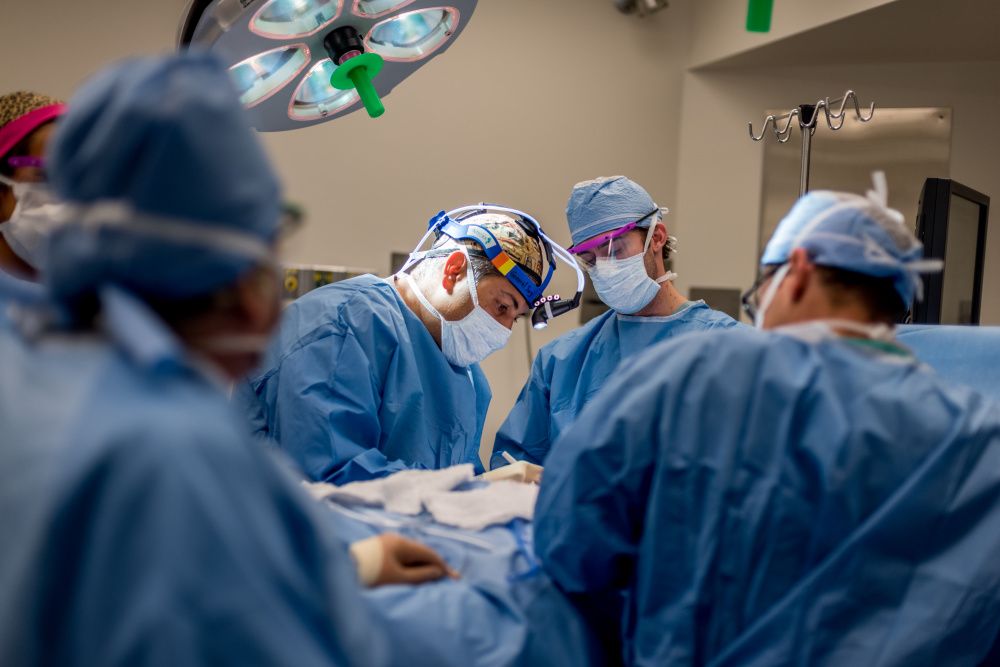
Surgery for cancer is an important part of the cancer treatment process, frequently required to eliminate tumors or the organs that have been impacted by the cancer and enhance survival opportunities. But the process does not end in surgery. Following extensive cancer surgery, the body recovers physically and emotionally as it adapts to healing. Knowing what lies ahead can enable patients and caregivers to face the recovery process more confidently.
1. The Immediate Aftermath: The Body’s Initial Response
After the surgery is finished, the body goes into an intense healing process. The initial 24 to 72 hours are crucial, where the body focuses on wound healing and coping with trauma from the procedure. Patients usually go through:
- Fatigue due to physical stress from surgery and anesthesia.
- Pain and swelling at the incision site as tissues start to heal.
- Drainage catheters or tubes, depending on the type of surgery, to aid in the removal of excess fluids.
- Alterations in vital signs, such as blood pressure or heart rate, as the body stabilizes.
These initial symptoms are closely tracked within a hospital environment in order to avoid complications such as bleeding or infection.
2. Inflammatory and Immune Response
Surgery stimulates the body’s inflammatory and immune responses. Although inflammation is a normal component of healing, prolonged or excessive inflammation can cause complications or retard healing.
- Activation of the immune system is to combat possible infections.
- Inflammation results in redness, heat, and soreness around the area where the surgery occurred.
- Fever can result as an indication of infection or as a function of the body’s immune process.
- It’s important to have hygiene, wound care, and watch for signs of infection.
3. Organ-Specific Effects
Major cancer surgery can include removal of an organ or tissue and will have certain specific changes:
- Breast cancer surgery can include mastectomy or lumpectomy, which will impair body image and arm function.
- Colon or rectal cancer surgery can impair bowel habits, digestion, or necessitate temporary colostomy.
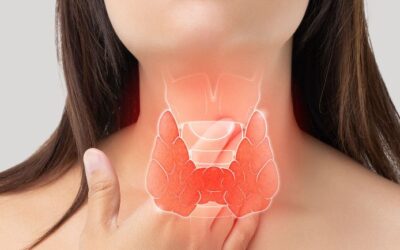
- Thyroid surgery can impair hormone balance with the need for long-term medication.
- Ovarian or uterine cancer surgery may result in early menopause or loss of fertility.
- Every form of surgery has its own post-operative care protocol and recovery periods.
4. Pain and Mobility Difficulty
- Pain after surgery is standard and may continue for weeks. Pain control is not only important for comfort, but it is also important for enabling movement, which is important for healing.
- Physiotherapy can be prescribed to regain mobility, particularly if the operation involved muscles or limbs.
- Deep breathing is usually recommended following abdominal or thoracic surgery to avoid lung infection.
Gradually, move slowly and increase activity.
5. Dietary Changes and Nutrition
There is a need for more nutrients to recover from surgery, but digestion and appetite could be temporarily impaired.
- Frequent small meals are easier to digest.
- Food rich in protein aids tissue repair.
- Hydration is crucial, particularly if fluids were lost during the procedure.
- Gastrointestinal surgery patients might be required to eat a special diet for a time.
6. Emotional and Mental Impact
- Cancer surgery recovery is not solely physical, many patients have emotional highs and lows. Fears, sadness, or anxiety are common and could be due to body changes, concern about recurrence, or adjustments to life after surgery.
- Support groups, counseling, and discussing with healthcare professionals can be useful.
A few patients develop post-surgical depression and need early psychological counseling.
7. Long-Term Recovery and Monitoring
- Recovery times are variable, but the majority of patients feel much better within 6 to 12 weeks. Long-term consequences depend on the cancer stage, type, and the extent of surgery performed.
- Follow-up visits at regular intervals ensure the recurrence of the cancer is ruled out and any side effects are controlled.
- Rehabilitation protocols restore function and enhance quality of life.
- Other treatments such as chemotherapy or radiation may be continued after surgery and influence recovery.
Final Thoughts
Major cancer surgery is a life-changing experience. Although it may cause physical pain and emotional distress, it’s frequently a strong move toward healing. Understanding what to anticipate makes it easier for patients to endure the process with strength and an active attitude. With good medical attention, emotional care, and kindness to oneself, healing is not just possible—it’s strong.
Summary
Following extensive cancer surgery, the body experiences a number of physical and psychological alterations throughout the recovery process. From primary fatigue, pain, and swelling to organ-specific effects and long-term restoration, each stage is important to a patient’s complete recovery. Effective wound care, nutrition, pain control, and emotional support are essential during this time. As an experienced oncologist surgeon in Baner, Pune, Dr. Amit Parasnis specializes in providing accurate surgical intervention with clear margins to minimize recurrence and facilitate quicker recovery. Synthesizing innovative surgical methods with empathetic patient care, Dr. Parasnis guarantees optimal results in patients who are having cancer surgery. To avail expert surgical advice and bespoke cancer treatment, visit Dr. Amit Parasnis’ clinic in Baner, Pune.
Recent Posts
-
 Prostate Cancer Surgery Advances in Pune: Minimally Invasive Options
 -
 Thyroid Cancer Detection and Removal: Early Signs You Should Know
 -
 Cancer Prevention Lifestyle Tips from a Pune Oncologist
 -
 Preventive Cancer Screenings and When Surgery Becomes Necessary
 -
 The Pivotal Role of Surgical Oncology in Modern Cancer Care: A Comprehensive Guide