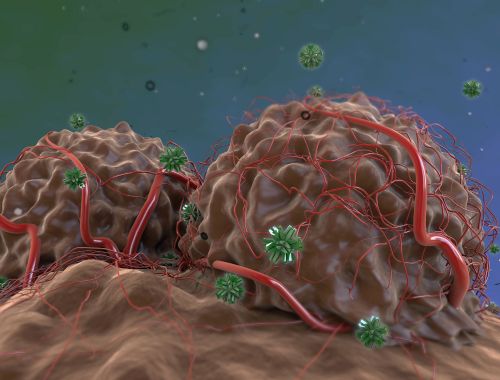
Tumors, by definition, are abnormal masses or swellings caused by the uncontrolled growth of cells. These masses can develop in various parts of the body, ranging from superficial areas such as skin or muscles to deep-seated organs like the lungs, liver, or brain. Not all tumors are the same — some are benign (non-cancerous) while others are malignant (cancerous). If you’re in search of expert diagnosis and treatment, consulting a Tumor Specialist in Pune, Maharashtra is a crucial first step.
What is Tumors?
A tumor may develop due to various causes including genetic mutations, environmental factors, infections, or trauma. When tumors appear on the surface of the body, such as under the skin or on limbs, their evaluation is relatively straightforward. Doctors can physically inspect and palpate the mass to get a preliminary idea of its nature. However, deeper tumors require advanced imaging methods such as:
- Ultrasound (USG)
- X-Ray
- Computed Tomography (CT) Scan
- Magnetic Resonance Imaging (MRI)
These imaging techniques help in visualizing the exact location, size, structure, and relationship of the tumor with adjacent organs and tissues.
Benign vs. Malignant Tumors
One of the key roles of a Tumor Specialist in Pune is to determine whether a tumor is benign or malignant.
- Benign Tumors: These are non-cancerous growths. The cells resemble normal cells, the growth is slow, and they do not spread to other parts of the body. Although they may require surgical removal, benign tumors typically have a good prognosis.
- Malignant Tumors (Cancer): These involve cancerous cells that grow uncontrollably, invade surrounding tissues, and can spread (metastasize) to distant organs such as the lungs, liver, lymph nodes, bones, or brain. These tumors are life-threatening and require aggressive, multimodal treatment.
Treatment Options for Tumors
The treatment of tumors varies depending on their type, location, and stage of growth. In Pune, patients have access to advanced medical infrastructure and expert oncological care.
- Surgical Excision: This is often the first line of treatment for both benign and early-stage malignant tumors. A skilled cancer surgeon removes the tumor with an adequate margin of normal tissue to prevent recurrence.
- Chemotherapy: In cases of malignant tumors, drugs are administered to destroy or slow the growth of cancer cells.
- Radiotherapy: High-energy radiation is used to destroy cancer cells or shrink tumors before or after surgery.
- Targeted Therapy & Immunotherapy: These advanced treatments work at the molecular level and help in cases of specific cancer types.
Seeking treatment from an experienced Tumor Specialist in Pune ensures a personalized, evidence-based approach to managing the condition.
Why Choose Pune for Tumor Treatment?
Pune, a major city in Maharashtra, India, is home to some of the most renowned oncologists and cancer care facilities. The city is equipped with state-of-the-art diagnostic labs, imaging centers, and cancer treatment hospitals, making it a preferred location for tumor diagnosis and treatment.
Among these specialists, Dr. Amit Parasnis stands out as a leading Cancer Surgeon in Pune. With years of experience and a deep understanding of tumor biology, Dr. Parasnis offers rational, ethical, and patient-centered care. He ensures that every treatment plan is tailored to the patient’s specific diagnosis and stage of disease, aiming to achieve the best oncological outcomes.
Tumor Treatment in Pune – What to Expect?
When you consult a Tumor Specialist in Pune, you can expect:
- Detailed clinical evaluation and history
- Appropriate imaging and biopsy to confirm diagnosis
- Clarification of the tumor’s nature – whether it is benign (non-cancerous) or malignant (cancerous).
- Multidisciplinary treatment plan
- Post-treatment monitoring and follow-up
Whether you are located in Wakad, Baner, Aundh, Kothrud, Hadapsar, Pimpri-Chinchwad, or any other area of Pune or Maharashtra, access to high-quality cancer care is available. The city also attracts patients from other parts of India, owing to its comprehensive and affordable healthcare services.
Summary:
If you or a loved one is dealing with a tumor diagnosis, consulting a trusted and skilled Tumor Specialist in Pune, Maharashtra is vital. With accurate diagnosis, proper imaging, and a well-planned treatment approach, most tumors can be effectively managed or cured. Dr. Amit Parasnis, an expert in surgical oncology, offers compassionate care backed by clinical excellence. His commitment to ethical practices and advanced techniques makes him one of the most sought-after cancer surgeons in Pune, Maharashtra, India.
For more information or to schedule a consultation, reach out to a trusted cancer care center in Pune today. Early diagnosis and the right treatment can make all the difference.
FAQ
What is the difference between benign and malignant tumors?
Benign tumors are non-cancerous, grow slowly, and don’t spread to other parts of the body. Malignant tumors are cancerous, grow uncontrollably, and can spread to other organs, making them life-threatening.
How are tumors diagnosed?
Tumors are diagnosed using advanced imaging techniques such as Ultrasound (USG), X-Ray, CT scan, and MRI. A biopsy or Fine Needle Aspiration Cytology (FNAC) may also be done to determine if the tumor is benign or malignant
What are the common treatments for tumors?
Treatment options include surgical excision, chemotherapy, radiotherapy, and advanced treatments like targeted therapy and immunotherapy, depending on whether the tumor is benign or malignant.
Why should I choose Pune for tumor treatment?
Pune is home to top oncologists, advanced diagnostic labs, and cancer treatment centers, offering world-class care. Dr. Amit Parasnis is a leading expert in cancer surgery in Pune, ensuring personalized and effective treatment.
What should I expect during tumor treatment?
You can expect a detailed clinical evaluation, imaging for diagnosis, a multidisciplinary treatment plan, and post-treatment follow-up to monitor recovery. The treatment approach is tailored to your specific tumor type and stage.