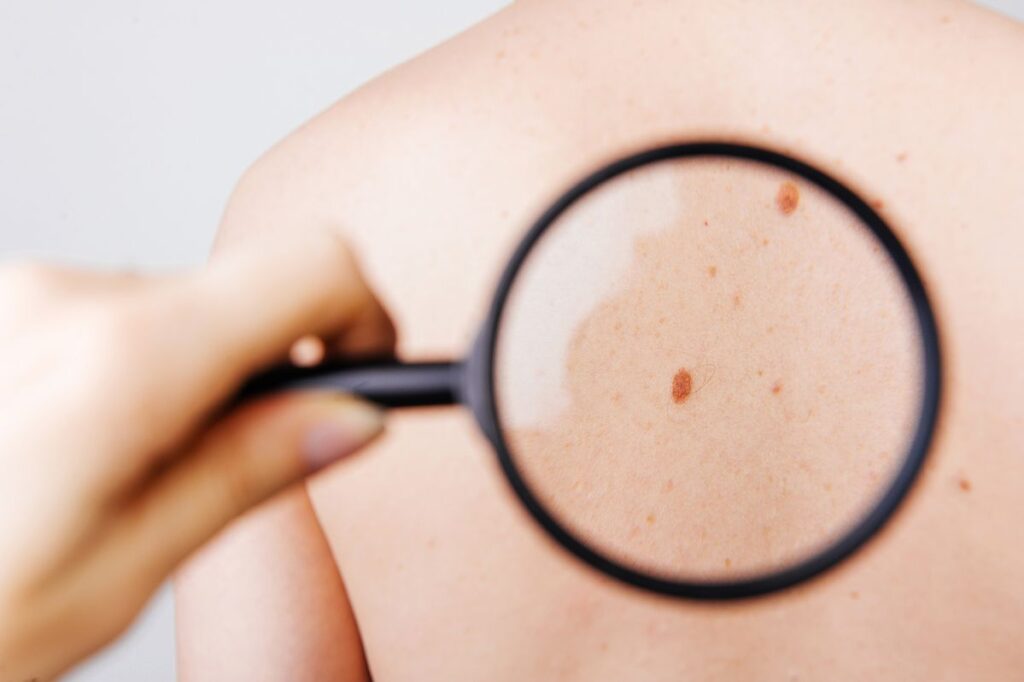
Skin cancer is a growing health concern worldwide and India is no exception. As a surgical oncologist based in Baner, Pune, Dr Amit Parasnis, aims to help you understand the causes, symptoms and early warning signs of skin cancer so that you can seek timely care. Early detection is key to successful treatment.
What is Skin Cancer?
Skin cancer occurs when skin cells develop damage to their DNA (most often from ultraviolet light) and begin to grow uncontrolled. Over time, these abnormal cells form malignant tumours in the skin. The main types to be aware of are:
- Basal Cell Carcinoma (BCC) – the most common form of non-melanoma skin cancer.
- Squamous Cell Carcinoma (SCC) – the second most common non-melanoma form, with a higher potential to spread if untreated.
- Melanoma – less common in India, but much more aggressive and dangerous if it spreads.
In an Indian context, such as Pune and Maharashtra, while dark skin pigment does offer some protection, skin cancer still occurs — especially on sun-exposed sites, or in cases of chronic irritation, scars or immune suppression.
Causes & Risk Factors for Skin Cancer
Understanding what increases risk helps both prevention and vigilance.
Major causes and risk factors include:
- Ultraviolet (UV) radiation exposure. The sun’s UV rays damage DNA in skin cells, triggering the cascade toward cancer.
- Cumulative sun-exposure and sunburns. Repeated exposure, especially outdoors without protection, increases risks.
- Sun-exposed body sites. Face, neck, arms, and hands are typical locations in India because of outdoor exposure.
- Fair or lighter skin, many moles, family history. Although less common in darker skin, the risk is still present.
- Chronic irritation, scars, and immune suppression. In the Indian subcontinent, we also see non-sun-related causes: e.g., scars, chronic ulcers, and chemical exposure.
- Age, location and lifestyle. With more lifetime sun exposure, outdoor work, and Maharashtra’s sun intensity, these increase local risk.
In Pune, especially, with outdoor jobs, construction workers, agriculture and high daylight hours, the risk of UV exposure must be recognised and managed. As a skin cancer specialist in Pune, I advise protective measures alongside regular checks.
Early Warning Signs & Symptoms
Recognising signs early can dramatically improve outcomes. Key symptoms to watch out for:
- A new growth or bump on the skin, especially in sun-exposed areas.
- An existing mole or skin spot that changes in size, shape, colour, or texture.
- A sore or lesion that does not heal within a few weeks or continually recurs.
- A patch of skin that becomes rough, scaly, crusted, bleeds or oozes.
- Itching, discomfort or tenderness in a skin lesion that was previously stable.
- For melanoma specifically: the “ABCDE” warning rule — Asymmetry, Border irregularity, Colour variation, Diameter >6mm, Evolving changes.
Important note for Indian skin types and Pune environment:
Because darker skin types may mask some visual signs, and sun-exposed but pigmented skin may show subtle changes, it is critical to perform regular self-exams and consult without delay for any suspicious lesion.
Why Early Detection Matters – Especially in Pune
Early detection of skin cancer means:
- Less invasive treatment is required.
- Higher likelihood of complete cure.
- Better cosmetic and functional outcomes (important for face/neck lesions).
- Lower cost, fewer complications, faster recovery.
What You Should Do- Your Checklist
If you live in Pune or nearby and want to be proactive about skin cancer, here’s what to do:
- Conduct monthly self-skin checks: face, scalp, neck, ears, arms, hands, legs.
- Use the ABCDE rule for moles and pigmented spots.
- Protect your skin: broad-spectrum sunscreen (SPF 30+), hats, long sleeves, avoid midday sun exposure.
- If you notice anything suspicious — get a consultation.
Closing Thoughts
Skin cancer is treatable, especially when detected early. In Pune and Maharashtra’s sun-rich environment, if you experience any of the warning signs or belong to a higher-risk group (outdoor work, sun exposure, prior skin injuries), make the call today.
For patients and families in Pune dealing with skin cancer, Dr. Amit Parasnis offers reliable advice, cutting-edge diagnostic techniques, and holistic cancer treatment. For more information or to schedule an appointment, you can visit the clinic at Manipal Hospital, Baner, Pune.
Protect your skin, stay alert to changes, and book your check-up if anything looks or feels different. Early action saves both life and quality of life.
Recent Posts
-
 Prostate Cancer Surgery Advances in Pune: Minimally Invasive Options
 -
 Thyroid Cancer Detection and Removal: Early Signs You Should Know
 -
 Cancer Prevention Lifestyle Tips from a Pune Oncologist
 -
 Preventive Cancer Screenings and When Surgery Becomes Necessary
 -
 The Pivotal Role of Surgical Oncology in Modern Cancer Care: A Comprehensive Guide