
Women’s reproductive and breast cancers are major public health concerns globally. Among these, breast cancer and cervical cancer are the most prevalent. While both are related to women’s health, they differ in origin, risk factors, symptoms, diagnostic approaches, and treatment options. Understanding these differences facilitates early detection, timely treatment, and better prognosis.
Understanding Breast Cancer and Cervical Cancer
Breast cancer arises in breast cells, most frequently in the ducts (ductal carcinoma) or lobules (lobular carcinoma). It is the most common cancer in women worldwide and continues to increase in both urban and rural areas.
Cervical cancer arises from the cervix—the lower part of the uterus connecting to the vagina. Most cervical cancers are linked to persistent infection with high-risk human papillomavirus (HPV) strains.
Risk Factors
Breast Cancer Risk Factors
- Age and Gender: Women over 40 are at higher risk
- Family History: BRCA1 and BRCA2 gene mutations significantly increase risk
- Hormonal Factors: Early menstruation, late menopause, and hormone replacement therapy
- Lifestyle Factors: Obesity, alcohol consumption, sedentary habits, and unhealthy diet
Cervical Cancer Risk Factors
- HPV Infection: The primary cause is high-risk HPV strains
- Sexual History: Multiple sexual partners or early sexual activity increase exposure to HPV
- Smoking: Increases susceptibility to cervical cell changes
- Immunosuppression: Conditions like HIV or long-term immunosuppressive therapy
Key Difference: Cervical cancer is almost exclusively caused by viral infection, while breast cancer results from a combination of genetic, hormonal, and lifestyle factors.
Symptoms
Breast Cancer Symptoms
- Lump or mass in the breast or underarm area
- Changes in breast shape or size
- Skin dimpling, redness, or nipple discharge
- Persistent breast pain or tenderness (rare)
Cervical Cancer Symptoms
- Unusual vaginal bleeding, particularly after intercourse or between periods
- Abnormal vaginal discharge, sometimes with odor
- Pelvic pain or pain during sexual intercourse
- Advanced cases may include urinary or bowel symptoms
Both cancers can be asymptomatic early, highlighting the importance of screening.
Diagnosis
Breast Cancer Diagnosis
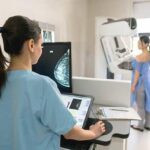
- Mammography: For women aged 40+ or high-risk patients
- Ultrasound and MRI: For dense breasts or detailed imaging
- Biopsy: Confirms presence and type of cancer
- Genetic Testing: Identifies BRCA mutations and informs preventive measures
Cervical Cancer Diagnosis
- Pap Smear (Pap Test): Detects precancerous cervical cell changes
- HPV Testing: Screens for high-risk viral types
- Colposcopy and Biopsy: Conducted if abnormal cells are detected
Regular screening for both cancers significantly improves survival and reduces the need for aggressive treatment.
Treatment Methods
Breast Cancer Treatment
- Surgery: Lumpectomy or mastectomy depending on tumor size and location
- Chemotherapy and Radiotherapy: Used before or after surgery to reduce recurrence risk
- Hormonal Therapy: For hormone receptor-positive tumors
- Targeted Therapy: Includes HER2 inhibitors and other precision treatments
Cervical Cancer Treatment
- Surgery: Hysterectomy or cone biopsy for early-stage cancers
- Radiation Therapy: Often combined with chemotherapy in locally advanced disease
- Chemotherapy: Used for advanced or metastatic disease
- HPV Vaccination: Preventive measure for younger individuals
Both cancers benefit from a multidisciplinary approach, combining surgical, medical, and supportive care to optimize outcomes.
Local Perspective: Pune Healthcare Services
In Pune, women can access advanced diagnostics and treatment for both cervical and breast cancers through specialized oncology services. At Dr. Amit Parasnis – Surgical Oncologist in Pune, patients receive personalized treatment, cutting-edge imaging, genetic testing for breast cancer, and comprehensive surgical and chemotherapeutic care. Supportive services integrated with modern cancer care improve recovery, convenience, and long-term follow-up.
Conclusion
While both breast and cervical cancers impact women’s health, they differ significantly in risk factors, symptoms, and treatment strategies. Early diagnosis through regular screening, timely intervention, and multidisciplinary care is critical for improving survival and quality of life.
For women seeking specialized cancer treatment in Pune, Dr. Amit Parasnis – Surgical Oncologist in Pune, located in Baner, Pune, provides advanced diagnostics, customized treatment plans, and complete patient support to ensure the highest standard of care.
Recent Posts
-
 Prostate Cancer Surgery Advances in Pune: Minimally Invasive Options
 -
 Thyroid Cancer Detection and Removal: Early Signs You Should Know
 -
 Cancer Prevention Lifestyle Tips from a Pune Oncologist
 -
 Preventive Cancer Screenings and When Surgery Becomes Necessary
 -
 The Pivotal Role of Surgical Oncology in Modern Cancer Care: A Comprehensive Guide