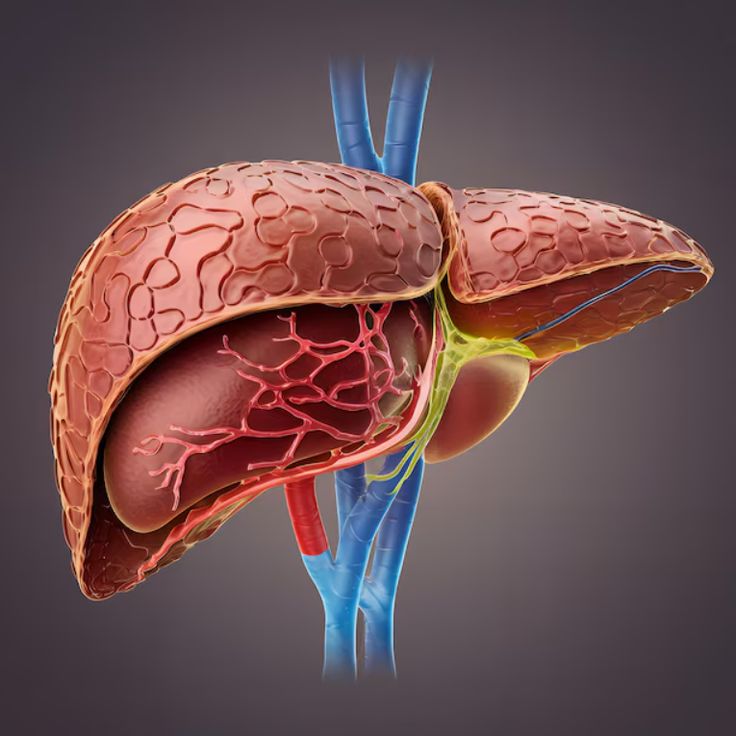
Liver cancer is a complex disease that requires a multidisciplinary approach to ensure optimal treatment outcomes. Among the various treatment strategies, surgical resection—the removal of part of the liver containing the tumor—remains one of the most effective curative options for patients with localized disease. However, not every patient is a candidate for liver resection. Understanding when resection is appropriate, what the procedure entails, and what to expect during recovery is crucial for patients and their families.
Understanding Liver Cancer
Liver cancer can be primary, originating in the liver cells (hepatocellular carcinoma), or secondary, resulting from metastasis from other organs. The liver’s unique ability to regenerate allows surgeons to remove significant portions safely, but adequate liver function must be preserved to prevent postoperative complications.
Common risk factors for liver cancer include chronic hepatitis B or C infection, cirrhosis, excessive alcohol use, fatty liver disease, and certain genetic conditions.
When is Liver Resection the Best Option?
Surgical resection is typically recommended for patients with:
- Localized Tumors – Tumors confined to one part of the liver without spreading to major blood vessels.
- Adequate Liver Function – Patients without severe cirrhosis or liver failure are better candidates.
- Good Overall Health – The patient must be able to tolerate major surgery.
- No Distant Metastasis – Resection is most effective when cancer has not spread beyond the liver.
Resection may also be combined with other treatments, such as preoperative embolization or postoperative chemotherapy, to maximize outcomes and reduce recurrence risk.
Types of Liver Resection
Liver resection can vary in scope depending on tumor size and location:
- Segmental Resection – Removing only the affected liver segment.
- Lobectomy – Removing an entire lobe of the liver.
- Extended Resection – For larger tumors, more extensive removal may be necessary.
Surgeons carefully plan the procedure to preserve as much healthy liver tissue as possible while ensuring complete tumor removal.
Preparing for Surgery
Before liver resection, patients undergo a thorough evaluation, including:
- Imaging Tests – CT scan, MRI, or PET scan to locate the tumor and assess liver anatomy.
- Blood Tests – To evaluate liver function and clotting ability.
- Cardiopulmonary Assessment – Ensures the patient can safely undergo anesthesia.
- Nutritional and Physical Preparation – Optimizing health before surgery reduces complications and promotes recovery.
Patients may also receive counseling regarding risks, potential outcomes, and postoperative care expectations.
Recovery After Liver Resection
Recovery from liver resection varies depending on the extent of surgery, but modern techniques and perioperative care have improved outcomes significantly:
- Hospital Stay – Typically 7 to 10 days for uncomplicated cases.
- Pain Management – Medications and multimodal analgesia ensure comfort and allow early mobilization.
- Liver Function Monitoring – Regular blood tests monitor regeneration and function of the remaining liver.
- Dietary Guidance – Patients start with liquids, progressing to soft foods, and eventually a normal diet.
- Physical Rehabilitation – Gentle activity is encouraged to prevent complications and support overall recovery.
Patients are closely followed up to detect recurrence early and ensure long-term liver health.
Advantages and Outcomes
Liver resection can offer curative potential for patients with localized tumors. Compared to non-surgical options, resection often results in:
- Higher long-term survival rates.
- Reduced tumor burden and lower recurrence risk when complete removal is achieved.
- Possibility for additional treatments if needed, such as targeted therapy or immunotherapy.
Minimally invasive and robotic-assisted techniques are increasingly being used to reduce surgical trauma, shorten hospital stays, and enhance postoperative recovery without compromising oncological outcomes.
Local Perspective: Liver Cancer Care in Pune
In Pune, patients now have access to advanced liver cancer treatment that combines surgical expertise with comprehensive critical care. At Dr. Amit Parasnis – Surgical Oncologist in Pune, liver cancer patients benefit from state-of-the-art resection techniques, minimally invasive procedures, and personalized postoperative care. By integrating surgical precision, advanced monitoring, and supportive services, the clinic ensures optimal recovery, patient comfort, and long-term health.
Whether patients require segmental resection, lobectomy, or complex extended resections, Pune’s specialized care facilities focus on maximizing survival while minimizing risks.
Conclusion
Liver resection is a cornerstone in the treatment of localized liver cancer, offering the best chance for cure when patients are carefully selected. Proper preoperative evaluation, meticulous surgical planning, and comprehensive postoperative care are essential to achieving optimal outcomes.
For patients in Pune seeking expert liver cancer treatment, Dr. Amit Parasnis – Surgical Oncologist in Pune, located at Baner, Pune, provides advanced surgical solutions, personalized care, and dedicated support throughout the recovery journey, ensuring patients receive world-class treatment close to home.
Recent Posts
-
 Prostate Cancer Surgery Advances in Pune: Minimally Invasive Options
 -
 Thyroid Cancer Detection and Removal: Early Signs You Should Know
 -
 Cancer Prevention Lifestyle Tips from a Pune Oncologist
 -
 Preventive Cancer Screenings and When Surgery Becomes Necessary
 -
 The Pivotal Role of Surgical Oncology in Modern Cancer Care: A Comprehensive Guide