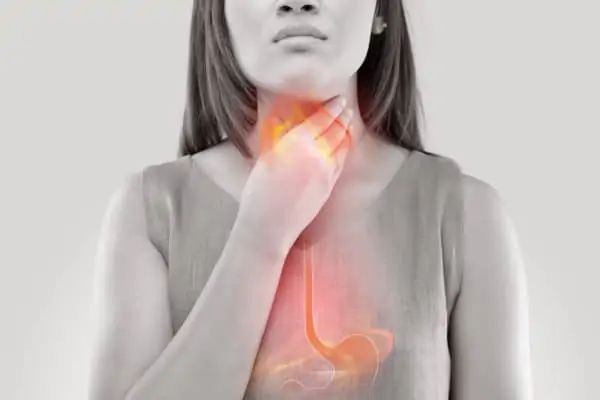
Esophageal cancer is a serious condition that affects the esophagus, the muscular tube that carries food and liquids from your throat to your stomach. While it may not always show symptoms in its early stages, recognizing early warning signs can make a significant difference in treatment outcomes. Early detection often leads to more effective treatment and better prognosis, making awareness a crucial first step.
Here’s what you should know about esophageal cancer and the signs that should never be ignored.
1. Difficulty Swallowing (Dysphagia)
One of the most common early warning signs is trouble swallowing, also known as dysphagia. You may notice:
- Food sticking in the throat or chest
- A sensation of something being “stuck” while swallowing
- Difficulty swallowing solid foods initially, which may progress to liquids
If swallowing becomes consistently difficult or painful, it’s important to seek medical attention promptly. Early evaluation can help detect underlying issues before they become severe.
2. Unexplained Weight Loss
Sudden, unexplained weight loss can be a subtle but serious indicator of esophageal cancer. People often lose weight because swallowing becomes uncomfortable, leading to reduced food intake.
Even a modest weight drop without changes in diet or exercise should be taken seriously, especially when combined with other symptoms like fatigue or difficulty eating.
3. Persistent Heartburn or Indigestion
Chronic heartburn or gastroesophageal reflux can be common, but when it becomes persistent and unresponsive to over-the-counter medications, it may warrant further investigation.
Long-term acid exposure can irritate the esophagus and, in rare cases, contribute to cancer development. If heartburn lasts several weeks or months and is accompanied by other warning signs, consult a specialist.
4. Chest Pain or Discomfort
Some patients experience pain or pressure in the chest or behind the breastbone. While chest discomfort can have many causes, including heartburn or heart-related issues, persistent or unexplained chest pain should not be ignored.
Pain may occur during swallowing or even when at rest. Prompt evaluation helps rule out serious conditions and ensures timely care.
5. Hoarseness or Chronic Cough
The proximity of the esophagus to the vocal cords means that tumors in the upper esophagus can cause changes in your voice. Persistent hoarseness, a chronic cough, or a sore throat that does not resolve within a few weeks may be an early sign.
Additionally, coughing while eating or drinking, or frequent choking, could indicate that the esophagus is being obstructed.
6. Vomiting or Regurgitation of Blood
Vomiting blood or regurgitating food and liquid frequently are more advanced warning signs of esophageal cancer. Blood in the vomit may appear bright red or resemble coffee grounds.
These symptoms require immediate medical attention, as they may indicate bleeding from the tumor or esophageal ulceration.
7. Fatigue and Weakness
Cancer can cause systemic effects that lead to fatigue and weakness. When combined with difficulty eating or unexplained weight loss, persistent fatigue may signal an underlying condition that needs evaluation.
Feeling unusually tired despite adequate rest should never be dismissed, especially in the context of other warning signs.
8. Indigestion or Difficulty Swallowing Over Time
It’s important to recognize patterns. Difficulty swallowing, ongoing indigestion, or a sensation of food being stuck can initially come and go. Over time, however, these issues may become more frequent and severe.
Monitoring the frequency and intensity of these symptoms helps your doctor identify problems early.
Prevention and Early Detection
While some risk factors like age and genetics cannot be changed, lifestyle habits can reduce the risk of esophageal cancer. These include:
- Avoiding tobacco in all forms
- Limiting alcohol consumption
- Maintaining a healthy weight
- Eating a balanced diet rich in fruits and vegetables
- Managing chronic acid reflux under medical guidance
Regular check-ups and paying attention to your body’s signals are key to early detection.
Conclusion
Esophageal cancer may initially present with subtle symptoms, but early recognition is crucial. Difficulty swallowing, persistent heartburn, unexplained weight loss, chest discomfort, chronic cough, and fatigue are all signs that should not be ignored. Awareness and timely medical consultation can save lives.
For expert evaluation, diagnosis, and treatment of esophageal and other cancers, you can consult:
Dr. Amit Parasnis – Surgical Oncologist in Pune | Cancer Specialist in Baner, Pune
Address: Manipal Hospital, Baner – Mahalunge Rd, opposite D Mart, Veerbhadra Nagar, Baner, Pune, Maharashtra 411069
Phone: 098226 01479
Recent Posts
-
 Prostate Cancer Surgery Advances in Pune: Minimally Invasive Options
 -
 Thyroid Cancer Detection and Removal: Early Signs You Should Know
 -
 Cancer Prevention Lifestyle Tips from a Pune Oncologist
 -
 Preventive Cancer Screenings and When Surgery Becomes Necessary
 -
 The Pivotal Role of Surgical Oncology in Modern Cancer Care: A Comprehensive Guide