Introduction
When it comes to health, the old saying “prevention is better than cure” has never been more relevant than in the context of oncology. Cancer is a formidable opponent, but modern medicine has equipped us with two powerful shields: preventive cancer screenings and timely surgical intervention. For those living in Maharashtra, having access to a seasoned Surgical Oncologist in Pune ensures that these two pillars of care are integrated seamlessly into a life-saving strategy.
Understanding the transition from a routine check-up to a surgical recommendation can be overwhelming. However, knowing the “why” and “when” empowers patients to make informed decisions. A Cancer Specialist in Baner, Pune, like Dr. Amit Parasnis, emphasizes that the goal of modern oncology is not just to treat the disease, but to detect it at a stage where the treatment is less invasive and the chances of a permanent cure are at their highest.
The Power of Preventive Cancer Screenings
Preventive screenings are medical tests performed on individuals who show no symptoms of illness. The logic is simple: by the time cancer causes noticeable symptoms like pain, weight loss, or a palpable lump, it may have already progressed. Screenings allow a Surgical Oncologist in Pune to identify precancerous changes or early-stage malignancies that are virtually “invisible” to the patient.
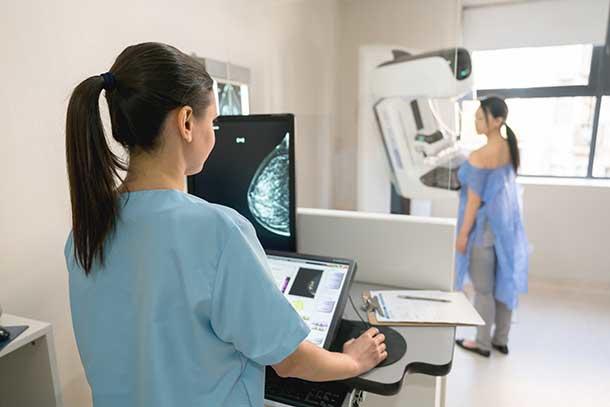
For example, a mammogram can detect a tiny cluster of cells in the breast years before a woman can feel a lump. Similarly, a colonoscopy doesn’t just find colon cancer; it finds polyps—small growths that are not yet cancerous but could become so over time. By removing these polyps during the screening itself, the cancer is essentially prevented before it even begins. This proactive approach is what every Cancer Specialist in Baner, Pune advocates for, particularly for individuals with a family history or specific risk factors.
When Does Surgery Become Necessary?
While screenings are the first line of defense, surgery often becomes the definitive action. Many patients ask: “If I feel fine, why do I need an operation?” The answer lies in the specialized evaluation of a Surgical Oncologist in Pune. Surgery is usually recommended under specific circumstances that prioritize the patient’s long-term survival and quality of life.
- Definitive Diagnosis through Biopsy
Sometimes, imaging tests like CT scans or PET scans show an abnormality, but they cannot confirm if it is cancerous. In such cases, a surgical biopsy becomes necessary. The surgeon removes a small tissue sample to be examined under a microscope. This is the only way to get a “roadmap” for treatment, as it identifies the exact type and aggressiveness of the cancer cells.
- Curative Intent for Localized Tumors
If a screening or diagnostic test reveals a tumor that is confined to one area (localized), surgery is often the primary treatment. The goal here is curative—to physically remove the entire tumor along with a margin of healthy tissue. For cancers of the breast, colon, or thyroid, a successful surgery by a Cancer Specialist in Baner, Pune can often lead to complete remission without the need for extensive long-term medication.
- Debulking for Advanced Cases
In some situations, a tumor might be too large or too close to vital organs to be removed entirely. Here, a Surgical Oncologist in Pune may perform “debulking” surgery. This involves removing as much of the tumor as safely possible. Reducing the tumor’s “bulk” makes subsequent treatments like chemotherapy or radiation therapy significantly more effective, as there are fewer cancer cells for the drugs to target.
- Prophylactic or Preventive Surgery
For individuals with a very high genetic risk—such as those carrying the BRCA1 or BRCA2 gene mutations—preventive surgery may be discussed. This involves removing an organ (like the breasts or ovaries) before cancer has a chance to develop. While this is a major decision, it is a life-saving option for many high-risk patients.
Integrating Surgery with Modern Cancer Care
The decision to operate is never made in isolation. A Cancer Specialist in Baner, Pune works as part of a multidisciplinary team. Modern oncology often uses “Neoadjuvant Therapy,” where chemotherapy is given before surgery to shrink the tumor, making the eventual operation safer and more precise.
Advancements like laparoscopic and robotic surgery have also revolutionized the field. Patients visiting a Surgical Oncologist in Pune today benefit from smaller incisions, less pain, and a faster return to their families and work. The focus has shifted from “how much can we remove” to “how precisely can we treat,” ensuring that the patient’s body function and aesthetics are preserved as much as possible.
Taking the First Step Toward Health
Early detection through screening is the most effective way to simplify your cancer journey. If a screening indicates a need for further action, remember that surgery is a strategic tool designed to eliminate the threat and restore your health. By choosing a qualified Surgical Oncologist in Pune, you are ensuring that your treatment is backed by years of expertise and a compassionate, patient-first philosophy.
Whether you are looking for a routine screening or need an expert opinion on a recent diagnosis, proactive care is your best ally. Stay informed, stay regular with your check-ups, and trust the specialized skills of a dedicated oncologist to guide you through.
Conclusion
Navigating the complexities of cancer care requires a blend of advanced technology and experienced medical guidance. From the initial preventive screening to the precision of a surgical procedure, every step is a move toward reclaiming your health. For personalized, ethical, and world-class oncological care, consult with Pune’s leading expert.
Dr. Amit Parasnis
Surgical Oncologist in Pune | Cancer Specialist
Address: Manipal Hospital, Baner – Mahalunge Rd, opposite D mart, Veerbhadra Nagar, Baner, Pune, Maharashtra 411069
Website: dramitparasnis.com
Learn more about the importance of breast cancer awareness and early detection in this video where Dr. Amit Parasnis discusses how self-examinations can save lives.
Recent Posts
-
 Prostate Cancer Surgery Advances in Pune: Minimally Invasive Options
 -
 Thyroid Cancer Detection and Removal: Early Signs You Should Know
 -
 Cancer Prevention Lifestyle Tips from a Pune Oncologist
 -
 Preventive Cancer Screenings and When Surgery Becomes Necessary
 -
 The Pivotal Role of Surgical Oncology in Modern Cancer Care: A Comprehensive Guide