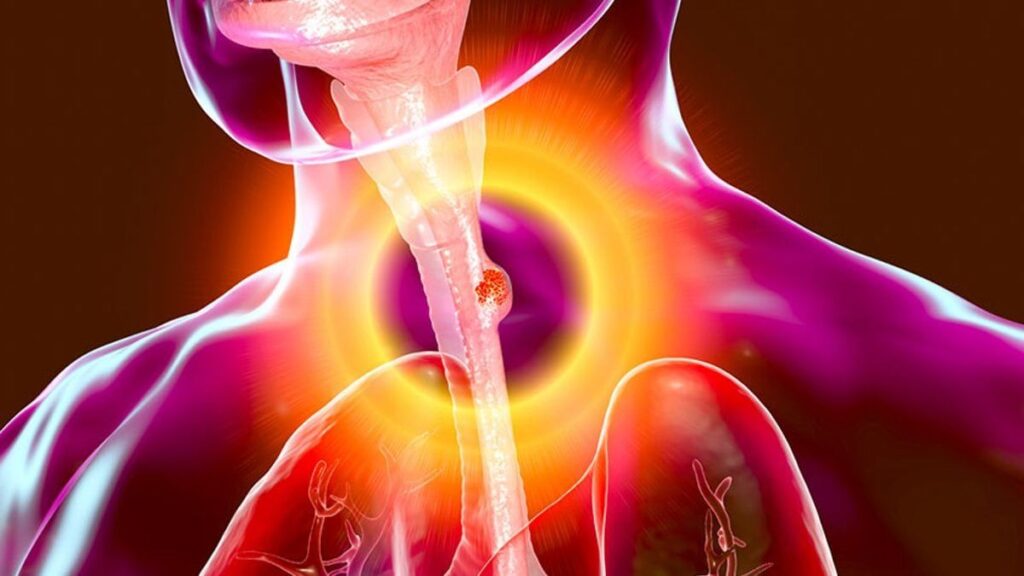
What is Esophageal Cancer?
Esophageal cancer is a type of cancer that develops in the esophagus, the tube that connects the pharynx (throat) to the stomach. Esophageal cancer can arise in any part of the esophagus, which is divided into three sections: the cervical esophagus (in the neck), the thoracic esophagus (in the chest), and the gastro-esophageal junction (the area near the stomach). Esophageal cancer is classified based on the anatomical location: upper third, middle third, and lower third of the esophagus.
At Dr. Amit Parasnis’ clinic in Pune, we provide expert care and treatment for esophageal cancer. With specialized diagnostic techniques and advanced treatment options, Dr. Amit Parasnis strives to offer the best care to patients facing esophageal cancer.
Causes and Risk Factors of Esophageal Cancer
The exact cause of esophageal cancer is not always clear, but certain factors increase the risk of developing the disease. The main risk factors include:
- Smoking and tobacco use: These are among the most significant causes of esophageal cancer.
- Gastroesophageal reflux disease (GERD): Chronic acid reflux can lead to esophageal irritation and increase the risk of cancer.
- Obesity: Being overweight or obese can also contribute to the development of esophageal cancer.
Symptoms of Esophageal Cancer
Esophageal cancer often presents with symptoms that worsen as the disease progresses. Common symptoms include:
- Difficulty swallowing (dysphagia) solids, semi-solids, or liquids.
- Unexplained weight loss.
- Change in voice or hoarseness.
- Painful swallowing and chest pain.
If you experience any of these symptoms, it is essential to seek medical attention as early detection can lead to better outcomes.
Diagnosis of Esophageal Cancer
The diagnosis of esophageal cancer begins with an upper gastrointestinal endoscopy, where a thin tube with a camera is used to examine the esophagus and collect tissue samples (biopsy) for testing. Once the pathological diagnosis is confirmed, further imaging tests such as contrast-enhanced CT scans or PET CT scans are conducted to assess the local spread of the cancer and determine whether it has metastasized to other parts of the body.
Esophageal Cancer Treatment Options
Surgical Treatment for Esophageal Cancer
The preferred treatment for esophageal cancer is thoraco-laparoscopic surgery. This procedure involves the removal of the affected part of the esophagus and nearby tissues, followed by reconstruction to restore gastrointestinal continuity. A gastric tube is often internally placed to help with swallowing after surgery.
Neoadjuvant Therapy
In cases of locally advanced esophageal cancer, surgery may be preceded by neoadjuvant chemotherapy and/or radiotherapy. These treatments aim to shrink the tumor, making it more operable and improving the chances of successful surgery.
Supportive Care
Advancements in surgical techniques and supportive care have significantly improved the outcomes for esophageal cancer patients. Dr. Amit Parasnis ensures that each patient receives personalized care to manage both the physical and emotional aspects of cancer treatment.
Why Choose Dr. Amit Parasnis for Esophageal Cancer Treatment?
- Expertise in Esophageal Cancer: Dr. Amit Parasnis is a highly trained and experienced cancer surgeon specializing in the treatment of esophageal cancer in Pune. He provides ethical, personalized, and comprehensive care for each patient.
- Advanced Diagnostic Tools: Dr. Parasnis uses the latest diagnostic technologies such as CT scans, PET CT, and upper GI endoscopy to accurately assess and diagnose esophageal cancer.
- Minimally Invasive Surgery: With advanced thoraco-laparoscopic techniques, Dr. Parasnis offers minimally invasive surgery to treat esophageal cancer, minimizing recovery time and improving outcomes.
- Multidisciplinary Approach: Treatment involves a team of experts, including oncologists, radiologists, and nutritionists, to provide a holistic treatment plan.
Summary:
If you or a loved one is dealing with esophageal cancer, seeking expert care early can make a significant difference. Dr. Amit Parasnis offers comprehensive esophageal cancer treatment in Pune, including advanced diagnostic tools, surgical procedures, chemotherapy, and radiotherapy. His commitment to achieving the best oncological outcomes for his patients ensures a better quality of life and higher chances of successful recovery.
Contact Dr. Amit Parasnis today to learn more about the available treatment options for esophageal cancer in Pune and take the first step toward recovery.
FAQ
What causes esophageal cancer?
The main causes include smoking, tobacco use, gastroesophageal reflux disease (GERD), and obesity. A history of chronic acid reflux can increase the risk of esophageal cancer.
How is esophageal cancer diagnosed?
Esophageal cancer is diagnosed through upper gastrointestinal endoscopy, biopsy, and imaging tests such as CT scans and PET CT scans to determine the extent of the cancer.
What is the treatment for esophageal cancer?
Treatment typically involves surgery to remove the cancerous tissue, followed by neoadjuvant chemotherapy and/or radiotherapy in advanced cases. A gastric tube may be used for swallowing restoration.
Can esophageal cancer be cured?
If detected early, esophageal cancer can be treated successfully with surgery and other therapies. Early intervention improves the chances of cure and long-term survival.
What should I expect after esophageal cancer surgery?
After surgery, patients may need to follow up with additional treatments such as chemotherapy or radiotherapy. Recovery time varies, but Dr. Amit Parasnis ensures that each patient receives comprehensive care for a smooth recovery.