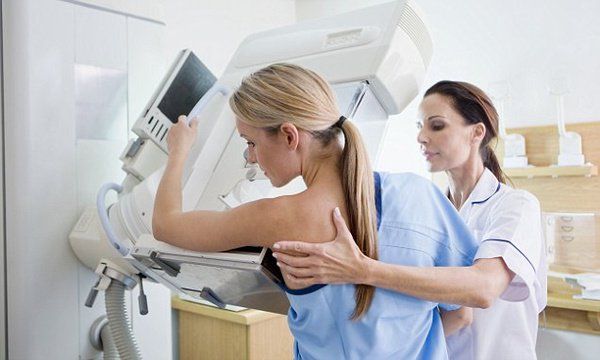
A breast cancer diagnosis can be overwhelming—not just for the patient but for the entire family. It brings fear, confusion, and countless questions about what lies ahead. However, the good news is that today, breast cancer is highly treatable, especially when detected early. Advances in medical science, surgical techniques, and personalized treatment plans have made recovery more achievable than ever before.
Understanding the available treatment options, especially surgery, helps patients feel more prepared and empowered as they navigate their healing journey. Here is a simple, clear, and compassionate guide to breast cancer surgery and treatment.
What Is Breast Cancer Surgery?
Breast cancer surgery is a procedure performed to remove cancerous cells from the breast. It is often the first and most crucial step in treating breast cancer. The type of surgery recommended depends on factors such as the size of the tumour, the stage of cancer, and the patient’s overall health.
The goal of surgery is not only to eliminate cancer but also to preserve the patient’s quality of life and restore confidence.
Types of Breast Cancer Surgeries
1. Breast-Conserving Surgery (Lumpectomy)
In this procedure, only the tumour and a small portion of surrounding tissue are removed. It allows the patient to keep most of the natural breast structure. Lumpectomy is usually followed by radiation therapy to ensure all cancer cells are destroyed.
Best for: Early-stage breast cancer or smaller tumours.
2. Mastectomy
A mastectomy involves removing the entire breast to prevent the spread of cancer. There are different types of mastectomies, including:
- Simple mastectomy
- Skin-sparing mastectomy
- Nipple-sparing mastectomy
This procedure may be recommended when cancer is larger, aggressive, or when the patient has a high risk of recurrence.
3. Sentinel Lymph Node Biopsy
This procedure helps determine whether cancer has spread to nearby lymph nodes. Only one or a few lymph nodes are removed, minimizing long-term complications like swelling (lymphedema).
4. Axillary Lymph Node Dissection
If cancer is found in the lymph nodes, more nodes may be removed. This helps doctors understand the stage of cancer and plan further treatment.
5. Breast Reconstruction Surgery
Many women choose to undergo reconstruction to restore the shape of the breast after mastectomy. This can be done using implants or tissue from another part of the body.
Reconstruction can be performed immediately during the cancer surgery or delayed until after treatment, depending on the medical plan.
Other Treatments Along with Surgery
Breast cancer treatment is often a combination of different therapies. These may include:
1. Chemotherapy
Chemotherapy uses strong medications to kill cancer cells. It may be given:
- Before surgery (to shrink the tumour)
- After surgery (to reduce recurrence)
2. Radiation Therapy
Radiation uses targeted beams to destroy any remaining cancer cells after lumpectomy or mastectomy. It helps minimize the risk of cancer returning.
3. Hormone Therapy
If the cancer is hormone-receptor-positive, hormone therapy is used to block hormones like estrogen and progesterone that help cancer grow.
4. Targeted Therapy
These medicines specifically attack cancer cells without harming healthy cells. It is extremely effective for HER2-positive breast cancer.
5. Immunotherapy
Immunotherapy strengthens the body’s natural defense system so it can recognize and destroy cancer cells.
Recovery After Breast Cancer Surgery
Every patient’s recovery journey is unique, but here are some common aspects:
- Mild pain and swelling in the surgical area
- Limited arm movement initially
- Gradual improvement over weeks
- Emotional ups and downs, which are completely normal
Regular follow-ups with the oncologist help monitor healing and check for any complications. Many women bounce back stronger with the right emotional, physical, and medical support.
The Importance of Early Detection
Self-examination, annual check-ups, and mammograms are powerful tools in detecting breast cancer early—often even before symptoms appear. Early detection not only improves treatment success but also allows for less invasive surgeries and better long-term outcomes.
Conclusion
Breast cancer surgery and treatment may feel overwhelming, but modern medicine offers hope, healing, and a high chance of recovery. With timely diagnosis, the right treatment plan, and compassionate medical care, patients can confidently face and overcome this challenge. Remember, you are not alone—your doctors, family, and support system are with you every step of the way.
For expert consultation and advanced breast cancer treatment in Pune, you may visit:
Dr. Amit Parasnis – Surgical Oncologist in Pune
Cancer Specialist in Baner, Pune
Address: Manipal Hospital, Baner – Mahalunge Rd, opposite D mart, Veerbhadra Nagar, Baner, Pune, Maharashtra 411069
Recent Posts
-
 Prostate Cancer Surgery Advances in Pune: Minimally Invasive Options
 -
 Thyroid Cancer Detection and Removal: Early Signs You Should Know
 -
 Cancer Prevention Lifestyle Tips from a Pune Oncologist
 -
 Preventive Cancer Screenings and When Surgery Becomes Necessary
 -
 The Pivotal Role of Surgical Oncology in Modern Cancer Care: A Comprehensive Guide