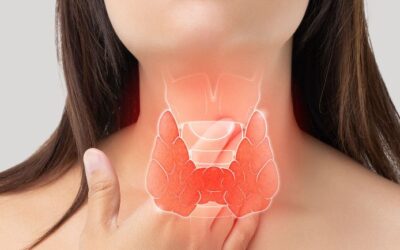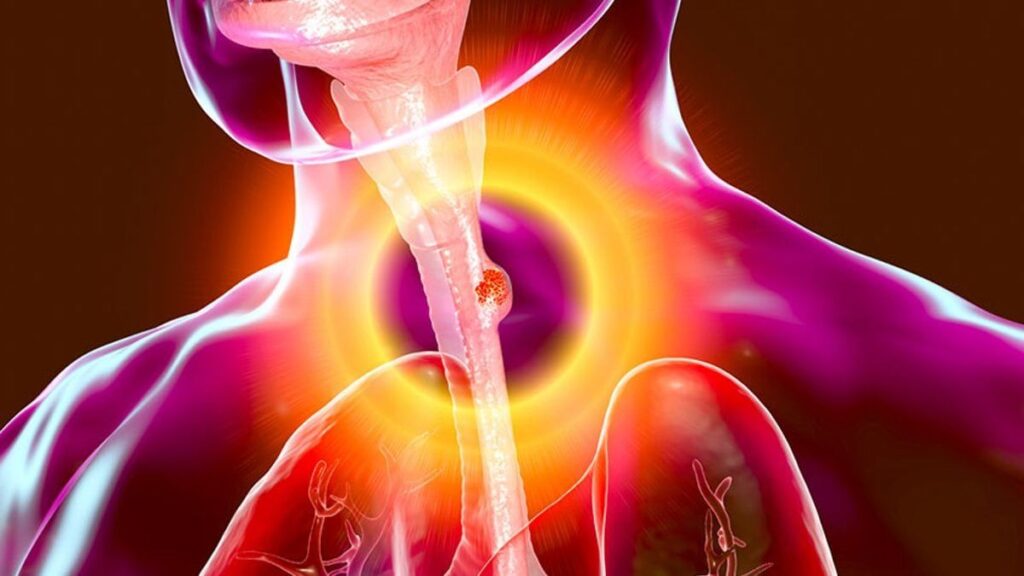
Esophageal cancer is a serious and aggressive disease that affects the food pipe, the tube carrying food from the throat to the stomach. With cases rising each year, awareness, early detection, and access to modern oncology services have become essential. Early diagnosis can significantly improve treatment outcomes for patients in Pune, Maharashtra, and across India. Today, advanced methods such as Thoracoscopic Surgery have transformed esophageal cancer management, making treatment safer, more precise, and more effective.
Understanding Esophageal Cancer
The esophagus is a crucial part of the digestive system, and cancers can develop at any point along its length. The two most common types are:
- Squamous Cell Carcinoma: Often linked to smoking, alcohol intake, and dietary habits.
- Adenocarcinoma: Commonly associated with chronic acid reflux, obesity, and Barrett’s esophagus.
Esophageal cancer tends to grow silently. Symptoms typically appear only after the disease has progressed, which makes early screening and awareness essential for improving survival.
Common Symptoms of Esophageal Cancer
Early symptoms may be mild but gradually worsen as the tumor grows. Key symptoms include:
- Difficulty swallowing (dysphagia)
- Chest pain or discomfort
- Unexplained weight loss
- Chronic heartburn or acidity
- Persistent cough or hoarseness
- Food sticking in the throat or chest
- Vomiting or regurgitation
Since these signs often resemble common digestive issues, many people delay medical consultation. Prompt evaluation can greatly improve outcomes for patients in Pune.
Risk Factors Associated With Esophageal Cancer
Certain lifestyle and medical factors increase the risk of developing this cancer:
- Tobacco use
- Heavy alcohol consumption
- Long-term acid reflux
- Barrett’s esophagus
- Obesity
- Low intake of fruits and vegetables
- Frequent consumption of very hot beverages
- Genetic factors
Recognizing these risks promotes early screening and preventive care.
How Esophageal Cancer Is Diagnosed
Accurate diagnosis begins with a clinical evaluation, followed by essential diagnostic tests:
1. Upper GI Endoscopy
A thin camera is inserted through the throat to inspect the esophagus. Suspicious areas can be biopsied immediately.
2. Biopsy
Tissue samples are examined under a microscope to confirm the presence of cancer.
3. Imaging Tests
CT scans, PET scans, and MRI scans help determine the stage of cancer and check if it has spread to other organs or lymph nodes.
4. Endoscopic Ultrasound (EUS)
This assesses the depth of the tumor and lymph node involvement.
Early diagnosis increases the chances of opting for minimally invasive treatment options like thoracoscopic surgery.
Treatment Options: The Role of Thoracoscopic Surgery
Once diagnosed, the treatment approach depends on the tumor’s location, stage, and the patient’s overall health. One of the most effective modern options is Thoracoscopic Surgery.
What is Thoracoscopic Surgery?
Video Assisted Thoracoscopic Surgery (VATS) is a minimally invasive technique used to remove part or all of the esophagus. Instead of making a large incision, surgeons make small cuts and use a camera to perform the procedure with greater precision.
This advanced surgical method is widely adopted in top cancer care centers across Maharashtra.
Benefits of Thoracoscopic Surgery
Compared to traditional open surgery, thoracoscopic surgery offers several advantages:
- Smaller incisions
- Less pain
- Faster recovery
- Reduced blood loss
- Lower risk of infection
- Shorter hospital stay
- Better cosmetic results
- More precise surgical control
Minimally invasive cancer surgery significantly enhances postoperative comfort and quality of life.
Who Is a Candidate for Thoracoscopic Surgery?
This surgery is usually recommended when:
- Cancer is detected at an early or middle stage
- There is no major spread to distant organs
- The patient is medically fit for anesthesia and surgery
A trained surgical oncologist evaluates every case to determine the best approach.
Life After Surgery
Recovery after thoracoscopic esophagectomy is smoother compared to open surgery. Patients typically experience:
- Early movement
- Faster return to routine activities
- Improved lung function
- Fewer postoperative complications
Long-term recovery includes follow-up visits, proper nutrition, and lifestyle modifications to prevent recurrence.
Conclusion
Esophageal cancer is a challenging condition, but with early diagnosis and modern surgical options, treatment outcomes improve significantly. Advanced techniques like Thoracoscopic Surgery offer patients in Pune safer procedures, faster recovery, and a better quality of life. For expert evaluation, guidance, and specialized esophageal cancer treatment, visit:
Dr. Amit Parasnis- Surgical Oncologist
Address: Manipal Hospital, Baner – Mahalunge Rd, opposite D mart, Veerbhadra Nagar, Baner, Pune, Maharashtra 411069
Recent Posts
-
 Prostate Cancer Surgery Advances in Pune: Minimally Invasive Options
 -
 Thyroid Cancer Detection and Removal: Early Signs You Should Know
 -
 Cancer Prevention Lifestyle Tips from a Pune Oncologist
 -
 Preventive Cancer Screenings and When Surgery Becomes Necessary
 -
 The Pivotal Role of Surgical Oncology in Modern Cancer Care: A Comprehensive Guide