Oral cancer, which affects the lips, tongue, cheeks, floor of the mouth, and roof of the mouth, is typically treated with surgery- particularly in its early stages. Surgery is often the best option for many patients since it has the highest potential for eradicating the tumor and stopping its spread. In case you or your loved one is undergoing oral cancer surgery, it would be helpful to know what to anticipate and how to prepare yourself for the process- physically and emotionally.
When Is Surgery Indicated for Oral Cancer?
Surgery is usually the initial treatment for most early-stage oral cancers. It can also be included in a combination treatment plan with radiation or chemotherapy in advanced stages. The type of surgery will depend on the size, location, and stage of the tumor.
Some common surgical operations are:
- Tumor resection – Tumor removal with some healthy tissue.
- Glossectomy – Removal of part or all of the tongue if cancer affects this area.
- Mandibulectomy – Removal of part or all of the jawbone if cancer has spread there.
- Maxillectomy involves the removal of a portion of the hard palate or upper jaw, depending on where the cancer is located.
- Neck dissection – Removal of neck lymph nodes if cancer has spread.
Reconstructive surgery can also be required to restore function and appearance following tumor removal.
Preparation for Surgery: Before the Operation
Preparing for oral cancer surgery is more than undergoing medical tests. There’s mental, emotional, and practical preparation to consider too.
1. Medical Assessment
You’ll have some pre-surgical testing like imaging (CT, MRI, PET scans), blood work, and at times a biopsy. Your surgeon will assess whether you are in good condition to undergo surgery and talk through the plan of care with you.
2. Discuss All Medications
Be sure to disclose all medications, supplements, or herbal treatments you’re using to your doctor, as some may need to be adjusted before surgery.Some may need to be stopped before surgery, especially blood thinners.
3. Nutritional Planning
Oral surgeries can temporarily affect your ability to eat. A nutritionist may suggest a liquid or soft diet and recommend high-protein, high-calorie meals to help with healing after surgery.
4. Speech and Swallowing Evaluation
Tongue, jaw, or throat surgeries can impact swallowing or speech. A speech-language pathologist will evaluate your pre-op function and develop exercises for post-op rehab.
5. Plan Support
Your hospitalization can last anywhere from a week or more, depending on the type of surgery. Plan for transportation, caregiver assistance, and work or school leave as needed.
What to Expect During Surgery
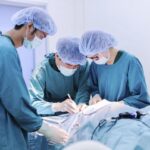
Surgery is done under general anesthesia. The length varies with the complexity of the procedure. Reconstruction may be performed at the same time using tissue from another location on your body (flap surgery).
You can wake up with:
- Breathing, feeding, or drainage tubes.
- Swelling or numbness in your face.
- Difficulty speaking or swallowing.
The hospital staff will keep a close eye on your recovery and control pain and discomfort.
Post-Surgery Recovery: Healing and Rehabilitation
1. Wound Care and Pain Management
Pain will normally be treated with medication. You will be taught how to take care of your surgical area to avoid infection and facilitate healing.
2. Nutrition and Diet
Depending on the surgery you had, you might be placed on feeding tubes at first. Over time, you will go back to eating orally with guidance from a nutritionist.
3. Physical and Speech Therapy
If the surgery impacts your ability to speak, eat, or move parts of your face, speech and physical therapy will help restore these functions.
4. Follow-Up Care
Regular follow-up visits are crucial in monitoring your progress in recovery and early detection of any recurrence.Your doctor may also recommend imaging scans and blood tests.
Emotional and Psychological Support
Recovery from oral cancer surgery can be emotionally challenging. Appearance, speech, or the ability to eat may be affected, impacting one’s self-worth. Coping with counseling or a support group of fellow cancer patients will help you work through this challenge with strength.
Summary
Surgical margins are also critical in the effective treatment of skin cancer since even a few millimeters can determine whether the cancer is removed completely or recurs. Clear margins guarantee less recurrence, the maintenance of healthy tissue, and improved cosmetic outcomes, especially in visible areas like the face or neck. As a dedicated oncologist surgeon in Baner, Pune, Dr. Amit Parasnis emphasizes the importance of precise surgical procedures, early detection, and patient education in treating skin cancer. With the help of cutting-edge pathology support and offering customized surgical techniques, Dr. Parasnis helps patients achieve maximum treatment results. If you’re facing a skin cancer diagnosis or need expert surgical care, contact Dr. Amit Parasnis’ clinic in Baner, Pune, and take the first step toward complete and confident cancer treatment.
Recent Posts
-
 Prostate Cancer Surgery Advances in Pune: Minimally Invasive Options
 -
 Thyroid Cancer Detection and Removal: Early Signs You Should Know
 -
 Cancer Prevention Lifestyle Tips from a Pune Oncologist
 -
 Preventive Cancer Screenings and When Surgery Becomes Necessary
 -
 The Pivotal Role of Surgical Oncology in Modern Cancer Care: A Comprehensive Guide